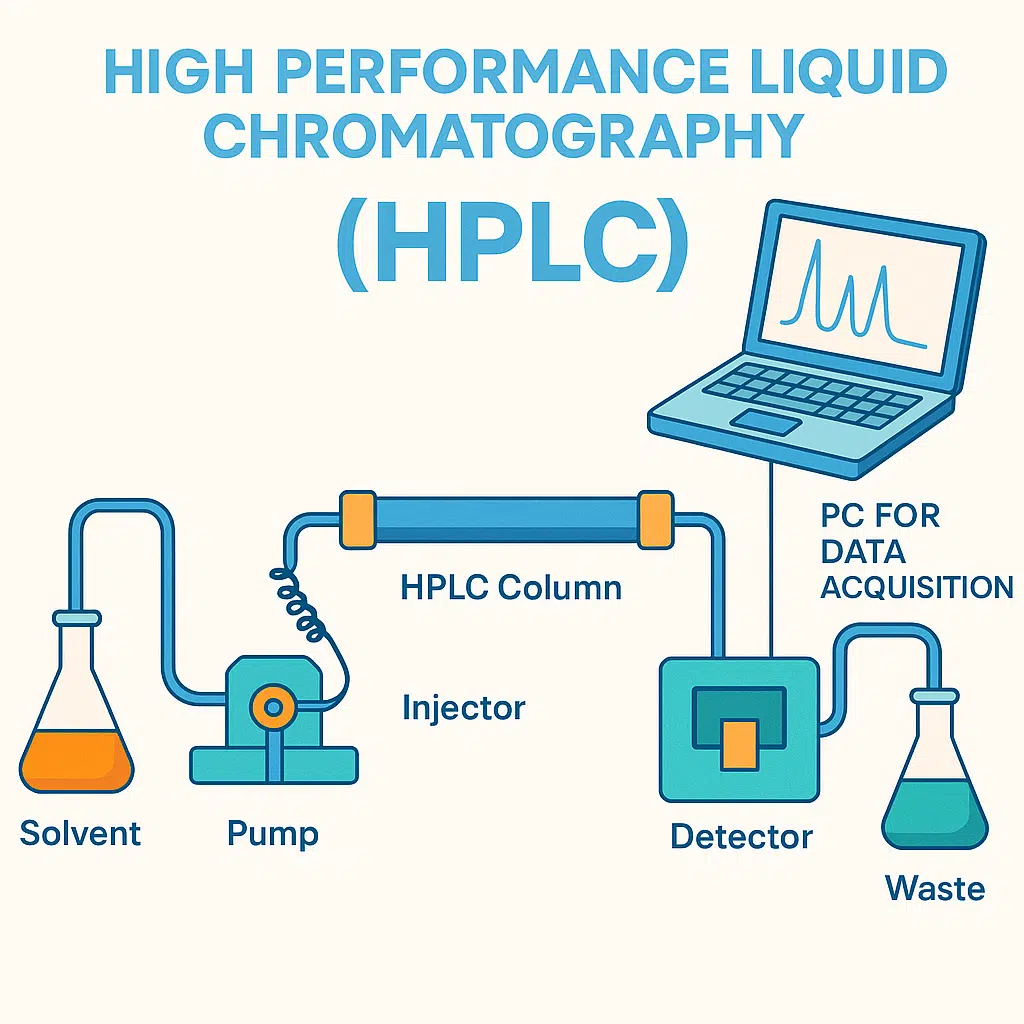
Validated > 99% Lab-grade Peptides Identity confirmation verifies the certain secretagogue being studied. Peptides like BPC-157 and TB-500 used for injury recuperation applications ought to obtain full confirmation. Identity confirmation is critical considering that replacement with different compounds would essentially change the research study strategy. The testing process involves specific actions to make sure accurate outcomes and proper sample handling. For these high-stakes circumstances, the cost of testing is insignificant contrasted to prospective repercussions of making use of unverified items. For researchers complying with protocols from sources like the BPC-157 and TB-500 stacking guide, validated product quality ensures the protocol obtains a fair examination. The pureness is then measured as the percentage of the major peak location versus total areas, giving an exact procedure of just how pure the peptide is [2] Enhancing HPLC, research laboratories utilize Mass Spectrometry (typically combined as LC-MS) to confirm the peptide's molecular weight and sequence identification. Mass spectrometry gives molecular confirmation by detecting the specific mass of the peptide and any co-eluting species or trimmed sequences with high accuracy. With each other, HPLC and MS information enable experts to verify that the peptide's make-up matches what it ought to be (right amino acid series and expected alterations) which no significant impurities are present. Research laboratory recognition of peptides is not only a scientific best practice-- it's typically a regulatory demand when peptides are utilized in restorative growth or professional study. FDA and the European EMA have actually established standards mandating complete analysis and quality control for peptide items to make certain safety and security and effectivenessr.
How Do I Confirm A Third-party Coa?
Where can I send my peptides to test for pureness?
ACS Peptide Checking Labs is an expert peptide evaluation laboratory that accepts examples from all 50 states. Whether you need to evaluate peptide pureness, validate a distributor''s Certificate of Evaluation, or run detailed contaminant testing, our lab gives quickly, precise results with in-depth coverage.
These pieces are typically smaller sized than the target peptide and may elute at various retention times. HPLC can show the visibility of added tops; LC-MS can help designate likely identifications to those relevant species. Amino acid evaluation or various other quantitative approaches can support outright material. Chiral techniques can deal with enantiomeric pureness where stereochemistry is a problem. Residual-solvent or water-content tests can matter in manufacturing or security contexts. These are important in the appropriate setup, yet they need to be interpreted as method-specific proof instead than a global substitute for HPLC and MS.
Weight Monitoring Peptides
The real materials were a GHRP analog with powerful cardiovascular impacts. COAs continue to be among one of the most useful devices available when examining research peptide high quality. Mass spectrometry examines molecular mass and can help validate peptide identity. For several researchers, HPLC information acts as among the main quality indications assessed during supplier examination. Organizations buying wholesale research peptides typically assess pureness paperwork prior to placing bigger orders.
Mislabeled peptides present variables that dumbfound research results.These are generally existing at very reduced degrees in properly made peptides and are regulated by ICH Q3C standards for acceptable limitations.The mass spec outcome must match this predicted worth within acceptable resistance.
In concentration-response experiments, these pollutants can move curves, flatten plateaus, or present biphasic behavior that obscures the true task of the target compound. Peptides including methionine or cysteine residues are prone to oxidation. Methionine can be oxidized to methionine sulfoxide; cysteine can create undesirable disulfide bonds or be oxidized to sulfinic or sulfonic acid derivatives. These adjustments alter the peptide's biological task and chromatographic profile. Peptides in microspheres and nanoparticles might entangle with matrices, making it difficult to divide free and encapsulated types. The Limulus Amebocyte Lysate (LAL) test is the typical method for endotoxin quantification. It uses a clotting reaction from horseshoe crab blood cells that is particularly set off by microbial LPS. Outcomes are expressed in Endotoxin Systems per milligram (EU/mg) or per milliliter (EU/mL). These are general study context monitorings, not item specs. Methionine and cysteine deposits can be susceptible to oxidation. Oxidation changes molecular residential or commercial properties and can move retention habits, producing distinctive chromatographic heights or associated mass changes. Asparagine and glutamine residues can undertake deamidation, transforming the peptide's fee and hydrophobicity. Deamidation is one factor storage space conditions matter, especially after a peptide has been reconstituted. Researchers frequently evaluate identification testing to confirm that the compound being analyzed matches the intended peptide. Samples are independently evaluated by our third-party research laboratory partner, Janoshik. Certified analytical records are released and made Thymosin Beta-4 Fragment publicly readily available to make certain complete transparency and independent confirmation. We have the ability of offering consumers from very early peptide drug discovery stages to peptide evaluation. We provide all the technological info and instructions for each action of peptide synthesis and evaluation. At Chameleon Peptides, every product ships with extensive third-party screening documentation.